

For the Quality Manager
Quality assurance that's built into the system—not in a binder
When documentation is kept on paper and in Excel, it takes time every day—and becomes a source of stress whenever an audit is announced.
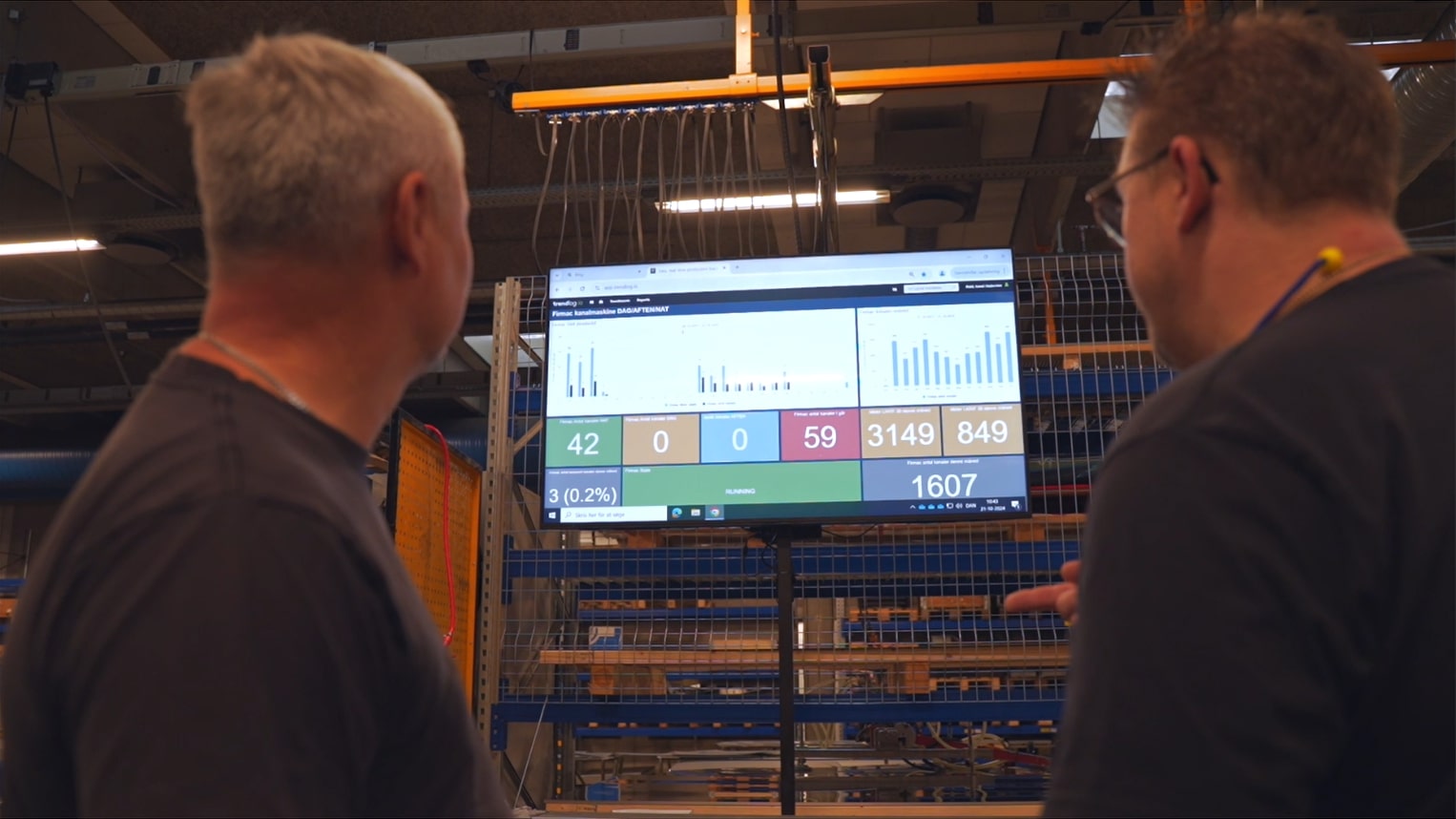
Have you ever been in these situations?
You can't always trace a deviation back to its cause
Was it a specific machine, a specific shift, or a specific batch of raw materials? Without coherent data, root cause analysis turns into detective work.
Audit preparation takes an unnecessarily long time and depends on individual staff members
When documentation is scattered across folders and people’s memories, preparation becomes dependent on who happens to be at work that day.
Registrations are submitted late or not at all because the process is cumbersome
Paper and Excel add extra steps between observation and documentation—and it is precisely in those steps that errors and omissions occur.
How to Integrate Quality Assurance into the System
Quality assurance isn’t a matter of will—it’s a matter of systems. When systems are cumbersome, manual, and fragmented, quality work becomes a struggle against the tide. Trendlog makes it easier to get it right the first time—and easier to document it afterward.
High-quality digital forms with traceability from the start
TrendFORMS
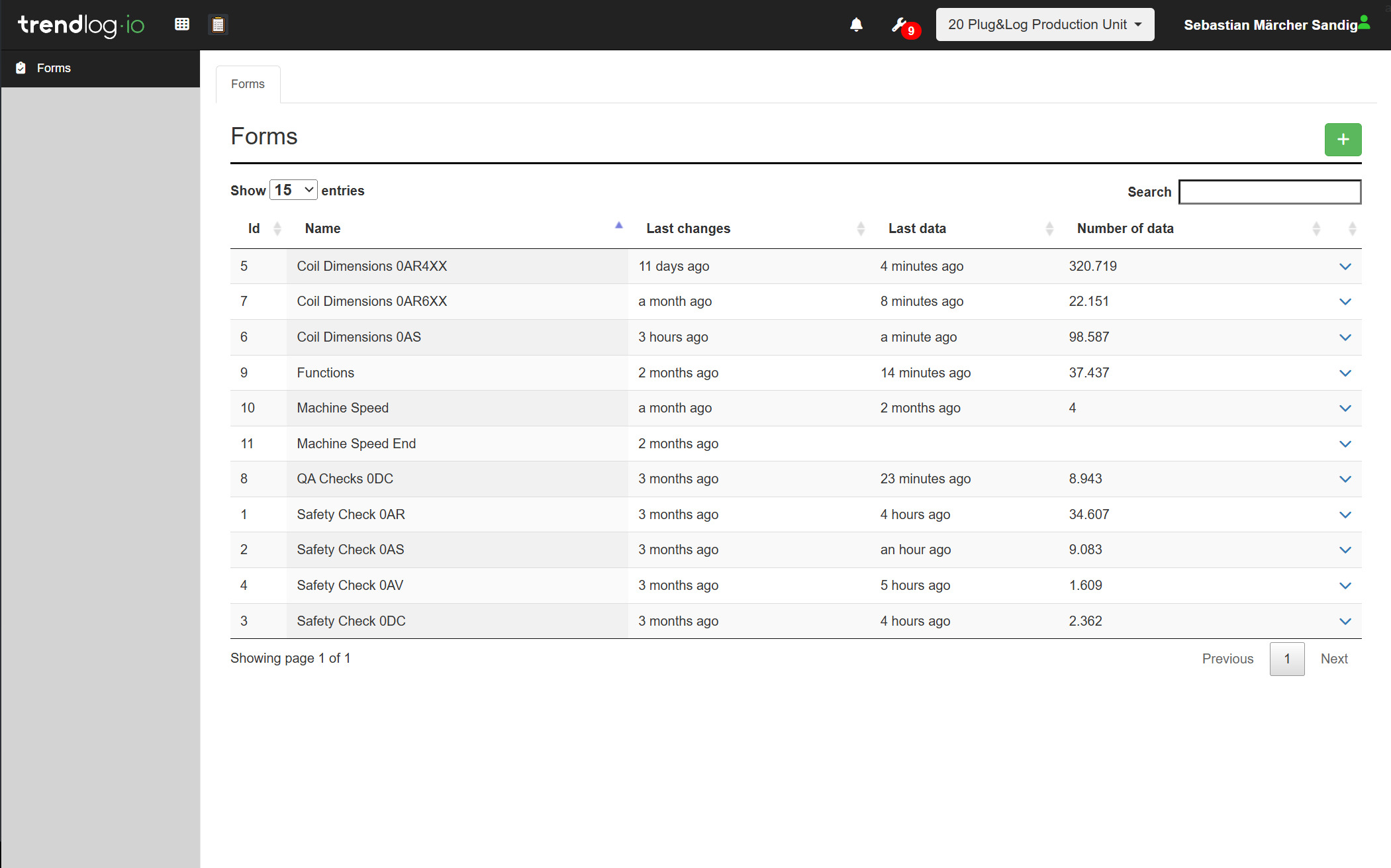
TrendFORMS is the module that most directly changes the quality manager’s daily routine. All the checklists and records that are currently kept on paper or in Excel—incoming inspection, production checklists, AQL sampling, nonconformance records, internal audits—are converted into digital forms tailored to your own processes. Data is recorded directly on a tablet or panel with automatic timestamping and user identification, and is immediately searchable. The chain of traceability remains intact from the moment the record is created—not something you have to try to reconstruct the night before an audit.
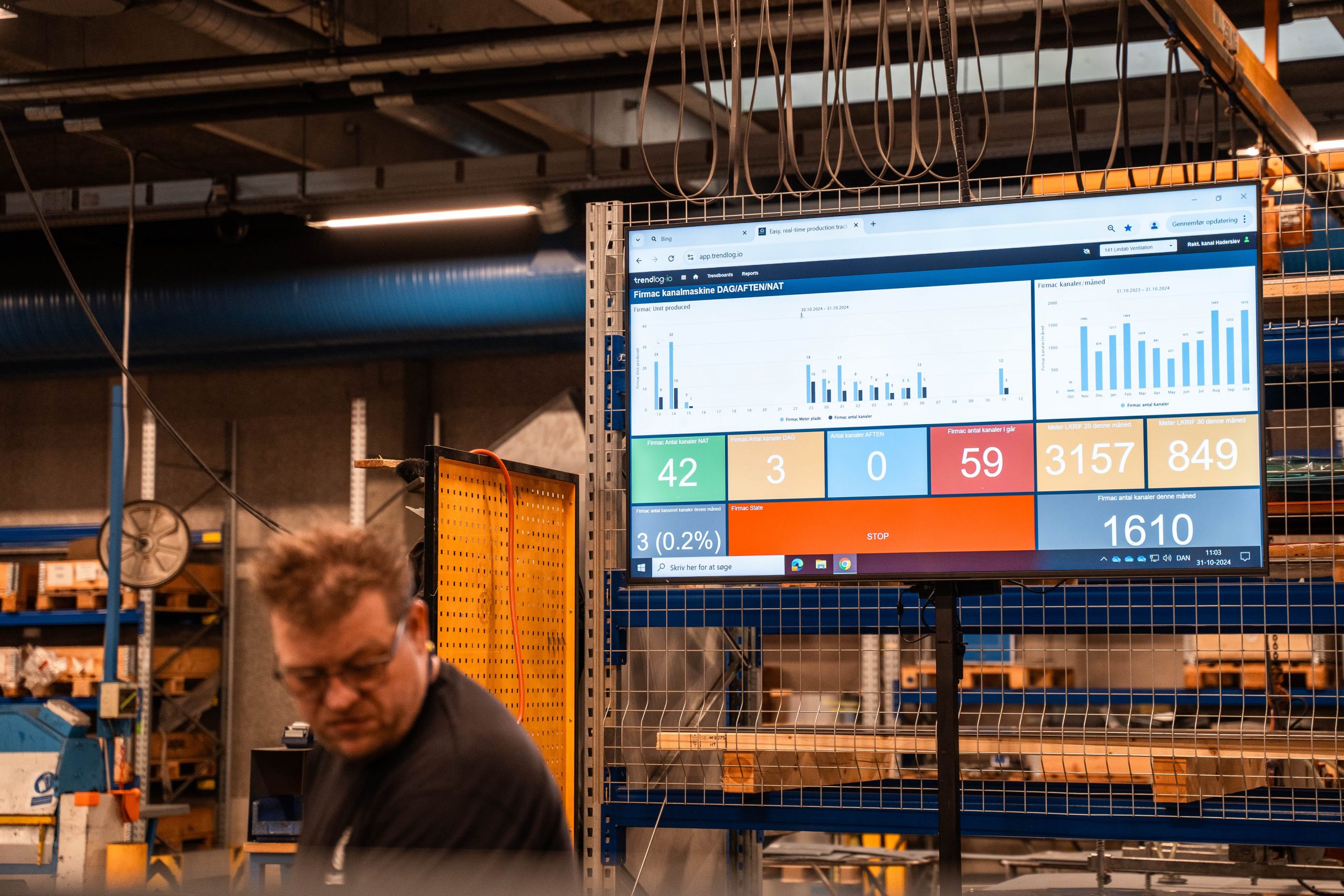
View quality loss in the context of production
TrendOEE
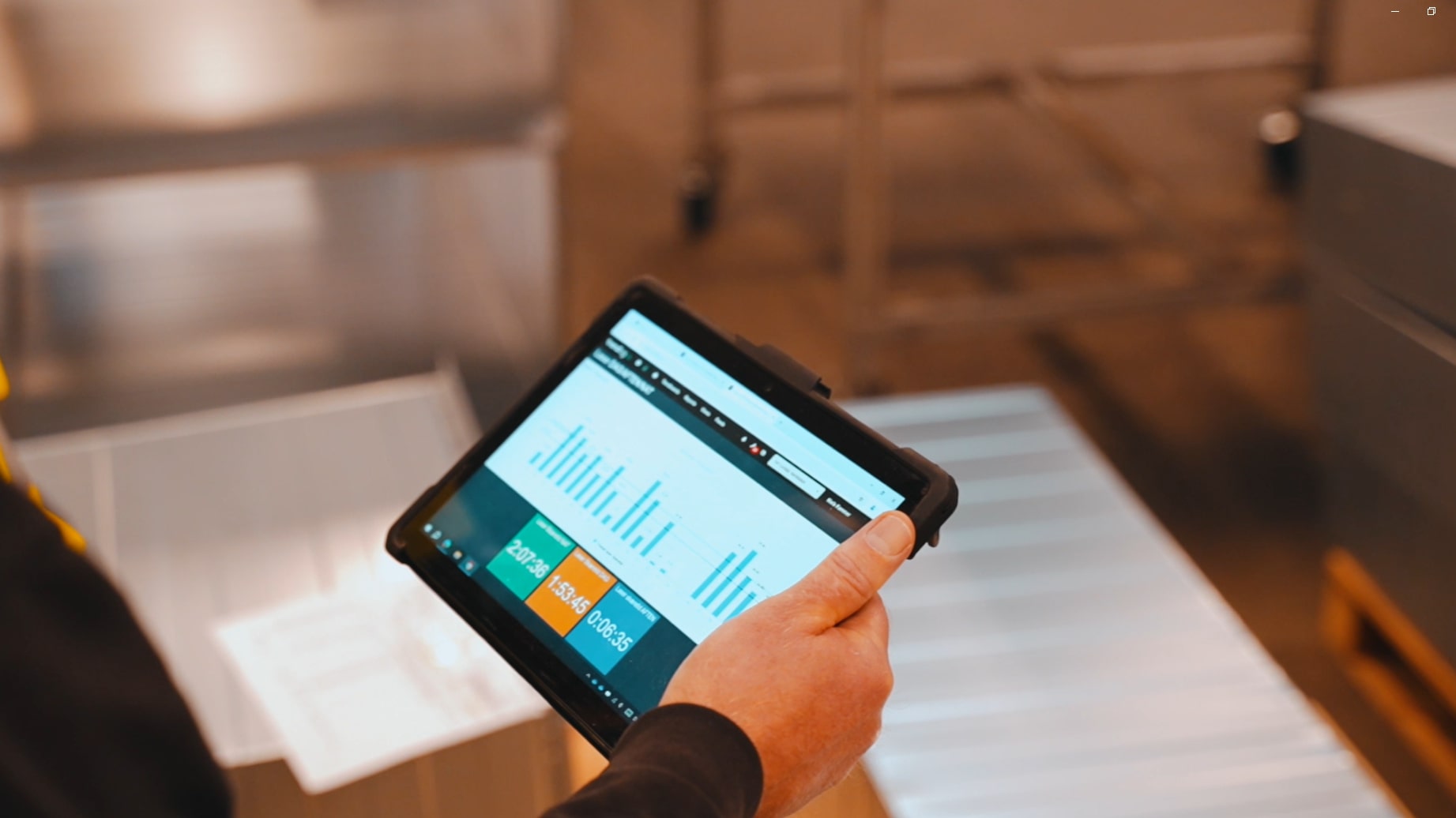
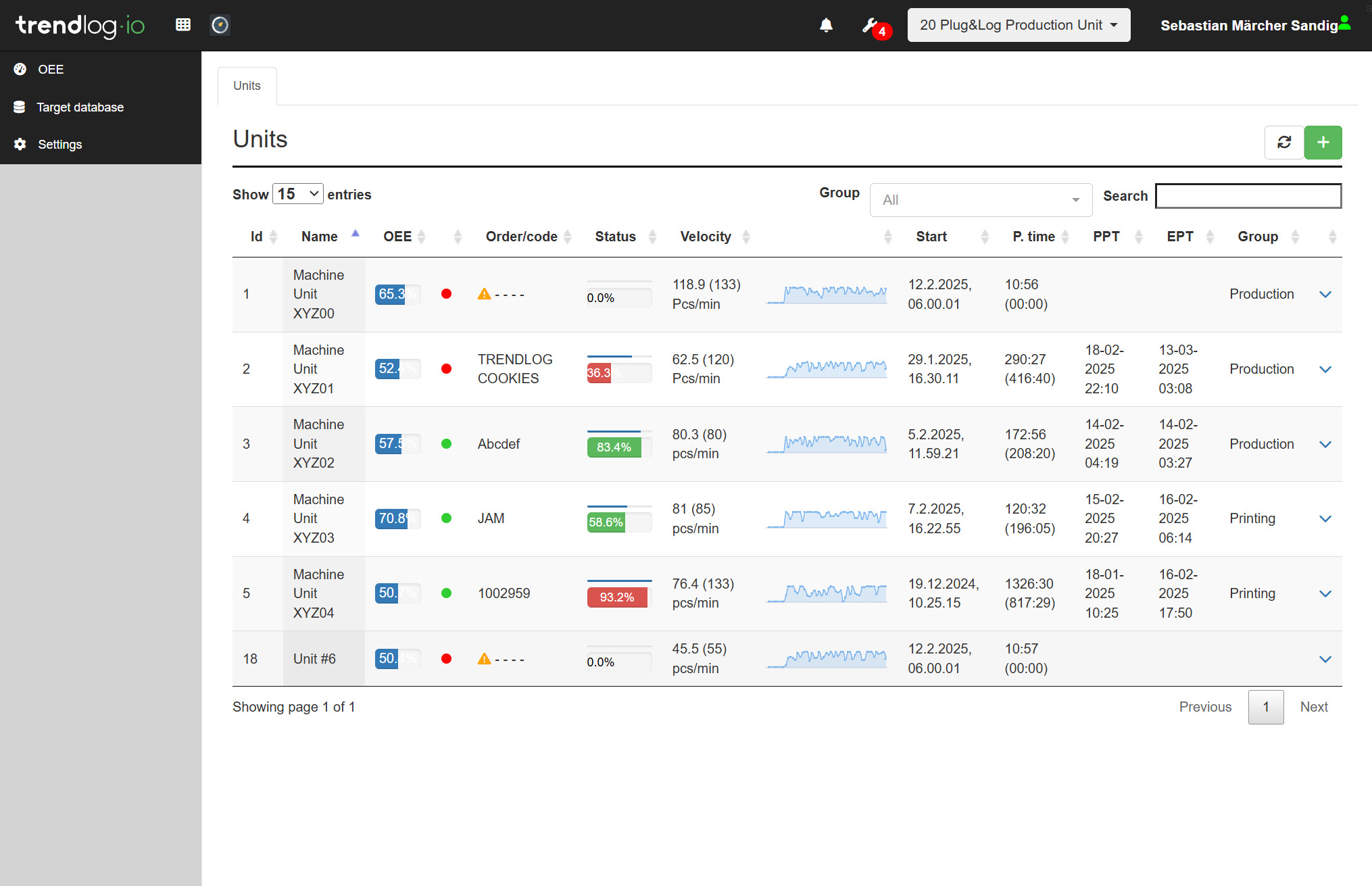
Quality issues don’t stop at the rejected products—they affect overall production efficiency. In TrendOEE, scrap and rework are recorded as a loss category on par with downtime, and they’re directly linked to line and shift data. This allows you to see patterns that would otherwise be invisible: Does a particular line consistently produce more waste? A specific shift? A specific raw material or startup sequence? These answers are nearly impossible to find when quality data is kept in isolation—and straightforward when it’s linked to production data.
CALCULATE YOUR POTENTIAL
What could your quality management achieve without the paperwork?
Closer monitoring. Faster response to deviations. Better audit readiness. Try the calculator and see how many hours paperwork is stealing from what your job is actually about — and what those hours could be spent on instead. The calculator shows both the number of hours and the financial value based on industry benchmarks. This is particularly relevant if you hold BRC, IFS, or ISO certifications, where the documentation burden is often heavier than people realize.
What are your paper-based forms costing you today?
3 quick taps — we'll show you an estimate of what digital quality records could free up in time and materials.
What industry are you in?
Selects your industry profile for the estimate.
How large is your production?
We use size to estimate how many forms are handled annually.
How paper-heavy are your processes today?
Gut feeling is fine — it's only an estimate.
Freed-up time for more value-creating work
Manual data entry from paper into systems is the most underestimated cost. In a mid-sized company, one person easily spends a full workday per week on it.
Audit preparation typically costs 2–5 days of concentrated work before a BRC, IFS or ISO audit. It multiplies quickly if you hold multiple certifications.
The hidden cost: illegible handwriting, duplicate entries (paper + system), and searching when a form is missing. It's work that never makes it onto anyone's task list.
Based on your choices, we've assumed a company like yours typically has:
The figure is the value of freed time — not a direct payroll saving. Most companies don't lay people off; the time instead goes to more operationally-focused work: tighter quality monitoring, faster response to deviations, more efficient order handling, and better audit preparation. It's an indicative estimate based on industry benchmarks. Book a live demo for a precise assessment.
Get a precise assessment — book a demo →Certification and Audit
Built for the day-to-day realities of certification and auditing
For the quality manager, certification is not a one-time event—it is an ongoing commitment. Whether you operate under IFS Food, IFS PACsecure, BRCGS, ISO 9001, or customer-specific audit schemes, they all require documented processes, traceability, and evidence of continuous improvement.
IFS Food and BRCGS impose particularly strict requirements for record-keeping and traceability in food production—requirements that are difficult to meet when documentation is not systematized. TrendFORMS provides you with the digital infrastructure that makes these requirements a natural part of your operations rather than an extra task to complete before an audit.
For plastics manufacturers and industrial manufacturers, ISO 9001 is typically the key management tool, and for automotive industry suppliers, IATF 16949 may be relevant. What they have in common is the requirement for documented process compliance and systematic handling of nonconformities and corrective actions—precisely what TrendFORMS and TrendOEE support.
The concrete benefits: less time spent preparing for audits, no more searching for paperwork, full traceability, and a documentation system that’s ready all year round—not just in the week leading up to the certification visit.
Frequently Asked Questions
What are IFS Food's requirements for digital recording and traceability?
IFS Food requires documented and traceable processes throughout the entire production chain—from receiving inspections to finished goods. Digital records with timestamps and user identification meet these requirements more consistently than paper-based systems typically do.
What is AQL control, and how is it handled in TrendFORMS?
AQL (Acceptable Quality Level) is a statistical sampling method used for quality control. In TrendFORMS, AQL charts are created as digital forms with the relevant sample sizes and acceptance limits, ensuring that inspections are performed consistently and documented automatically.
Can we create our own forms, or are we limited to the standard templates?
TrendFORMS can be fully customized to fit your own processes. You can build forms from scratch or with guidance from Trendlog—and update them regularly as procedures change.
How does Trendlog support corrective actions (CAPA)?
When a nonconformity is recorded in TrendFORMS, there is traceability regarding when, who, and what. This provides the basis for a structured root cause analysis and a documented corrective action—exactly what ISO 9001 and IFS/BRC require for nonconformities.
From Registration to Traceability to a Shared Overview
The quality manager rarely works in isolation—quality data influences and is influenced by what happens in production and maintenance. But when this data resides in separate systems, the connection is invisible: Is the spike in scrap on Line 2 due to a quality issue, a machine malfunction, or a batch of raw materials with non-conforming specifications?
With Trendlog Production Suite on a single platform, you can cross-reference your quality data with production and maintenance data. A scrap issue can be linked to a recorded machine stoppage or a delayed service task. Deviation patterns can be viewed in the context of which shift and which line. This not only provides better quality data—it also offers the cross-functional insight needed to raise the quality level of the entire plant, because root causes are identified more quickly and accurately.