

For the Maintenance Manager
From Firefighter to Planner — Take Back Control of Maintenance
When every day is filled with emergency calls, there’s no time left for the maintenance that actually prevents them.

Have you ever been in these situations?
You spend most of your time on urgent, reactive work
Scheduled maintenance is constantly being pushed aside because there’s always a fire that needs to be put out first—and as a result, the time that could actually be used to prevent the next fire is lost.
It's hard to make a case for investments when you don't have numbers to show
Without documented data on downtime and resource usage, it becomes a gut feeling for management rather than a business case.
You don't always know if a system failure could have been foreseen
Without a link between machine history and production data, it is difficult to identify patterns—whether a particular machine consistently malfunctions under certain conditions or whether the malfunctions are random.
How to Take Control of Maintenance
The maintenance manager is caught between a rock and a hard place: production demands maximum uptime, the budget is tight, and documentation requirements are increasing. Trendlog helps you work in a more structured way, prioritize based on data, and document your efforts—without a complex IT implementation.
Your management tool for scheduled and emergency maintenance
MaintenancePLANNER
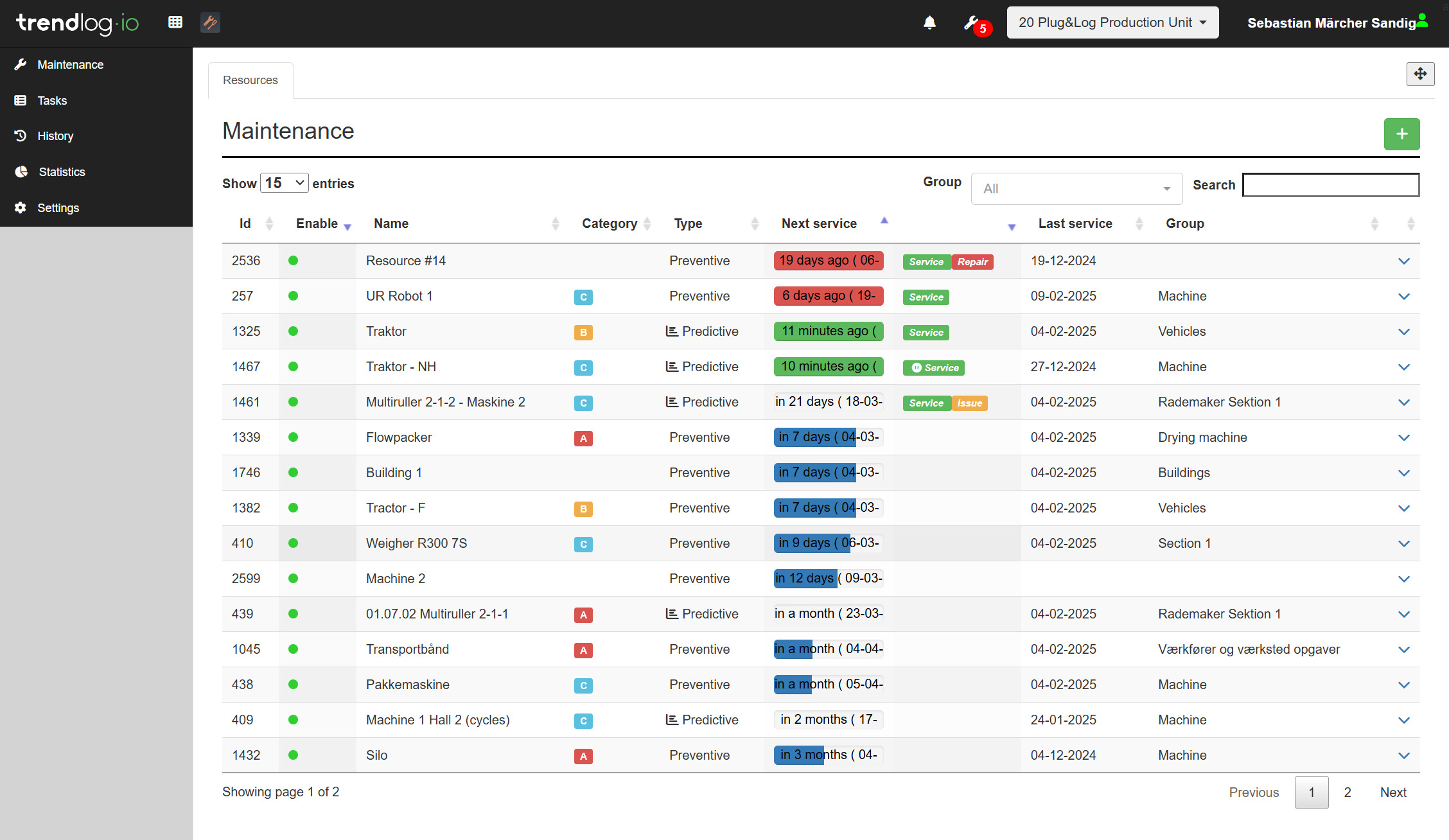
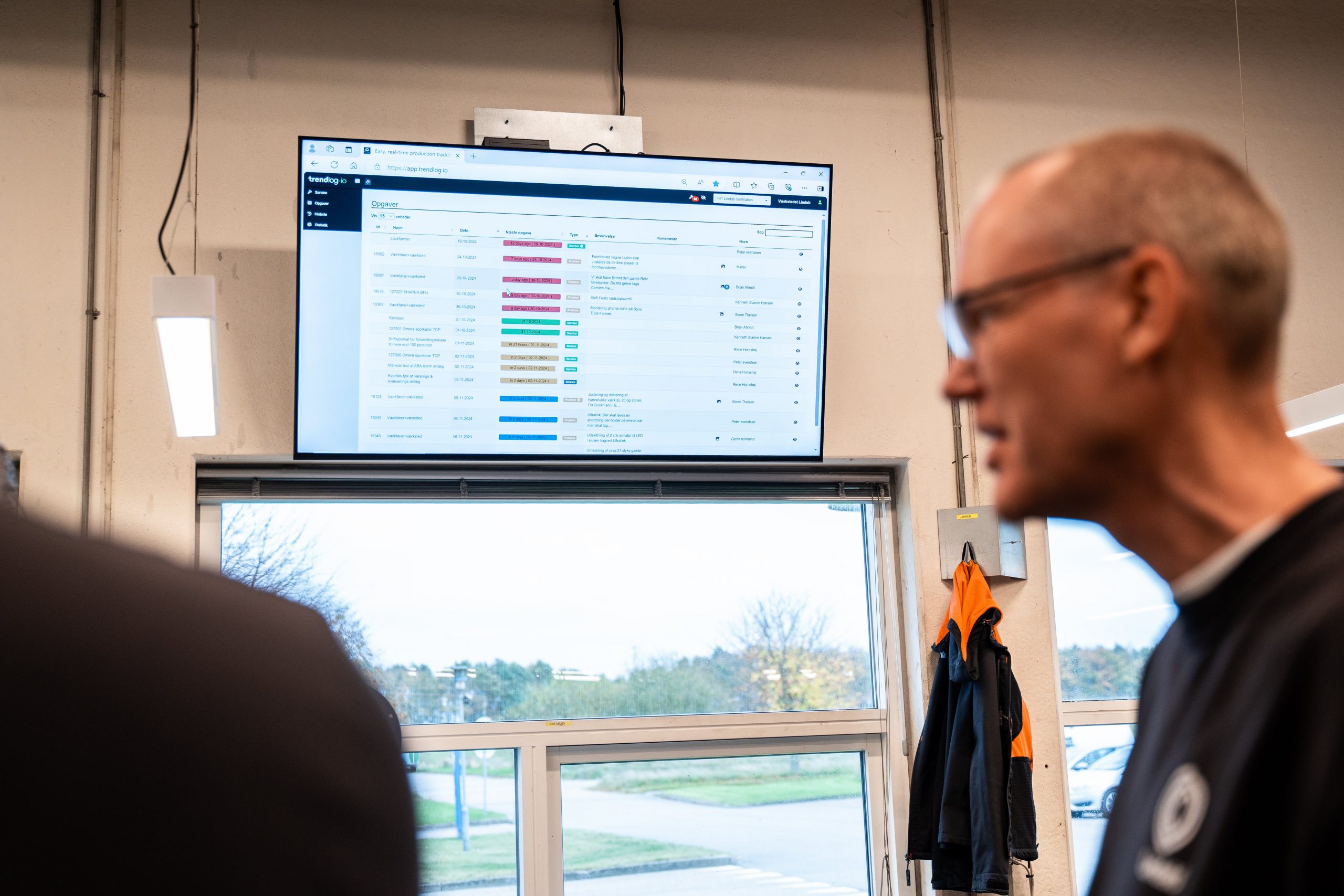
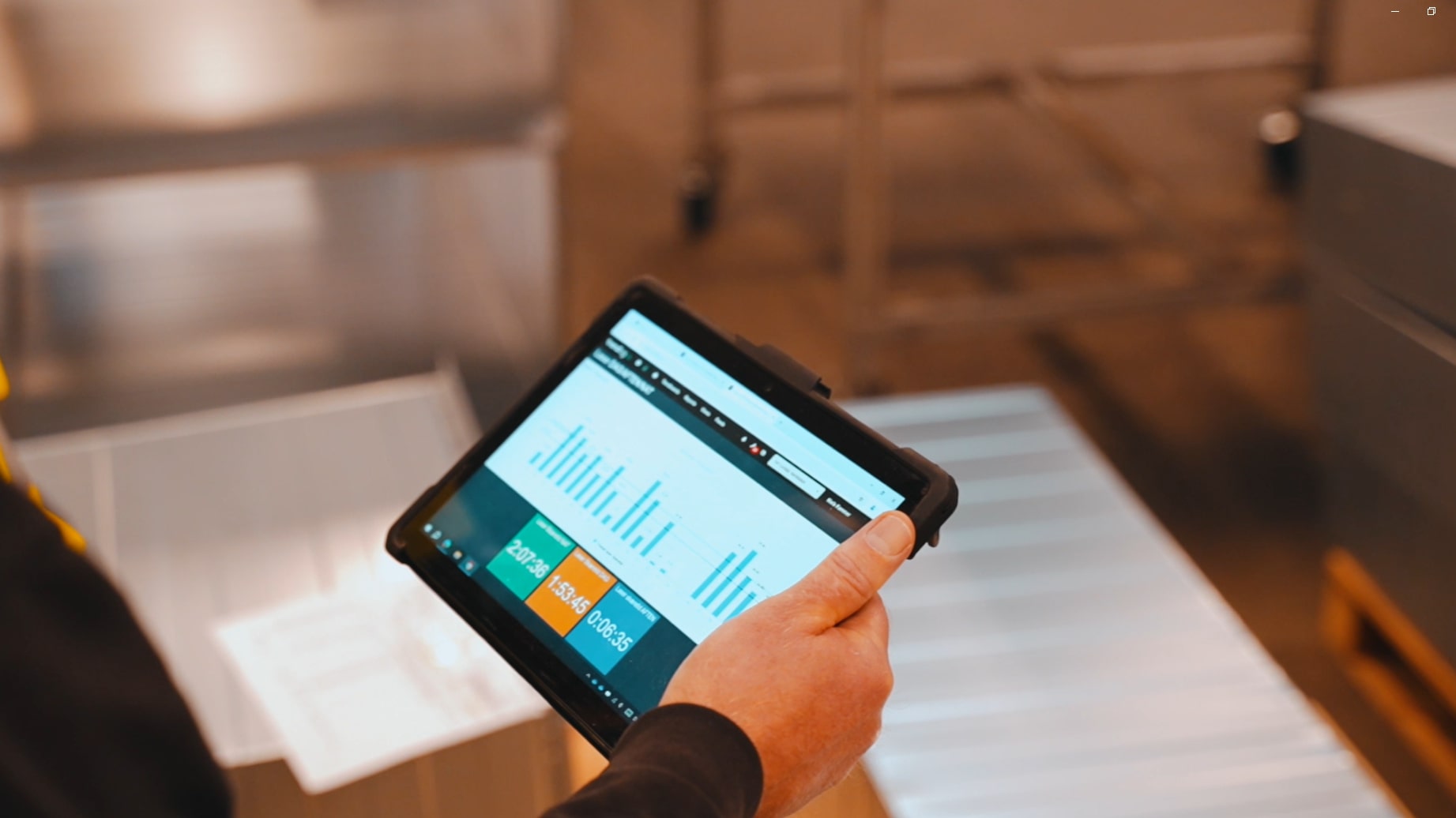
MaintenancePLANNER brings together work orders, preventive maintenance plans, spare parts overviews, and resource management in one place—accessible both in the office and on the shop floor. You set up maintenance intervals for each machine, assign tasks to technicians, and track status in real time. Instead of reacting to whatever’s urgent right now, you get a system that tells you what’s planned, what’s pending, and what’s been completed—with full time stamps and user logs for all activity. This is the first step from being reactive to being proactive.
Prioritize based on which machines actually cost the most
TrendOEE
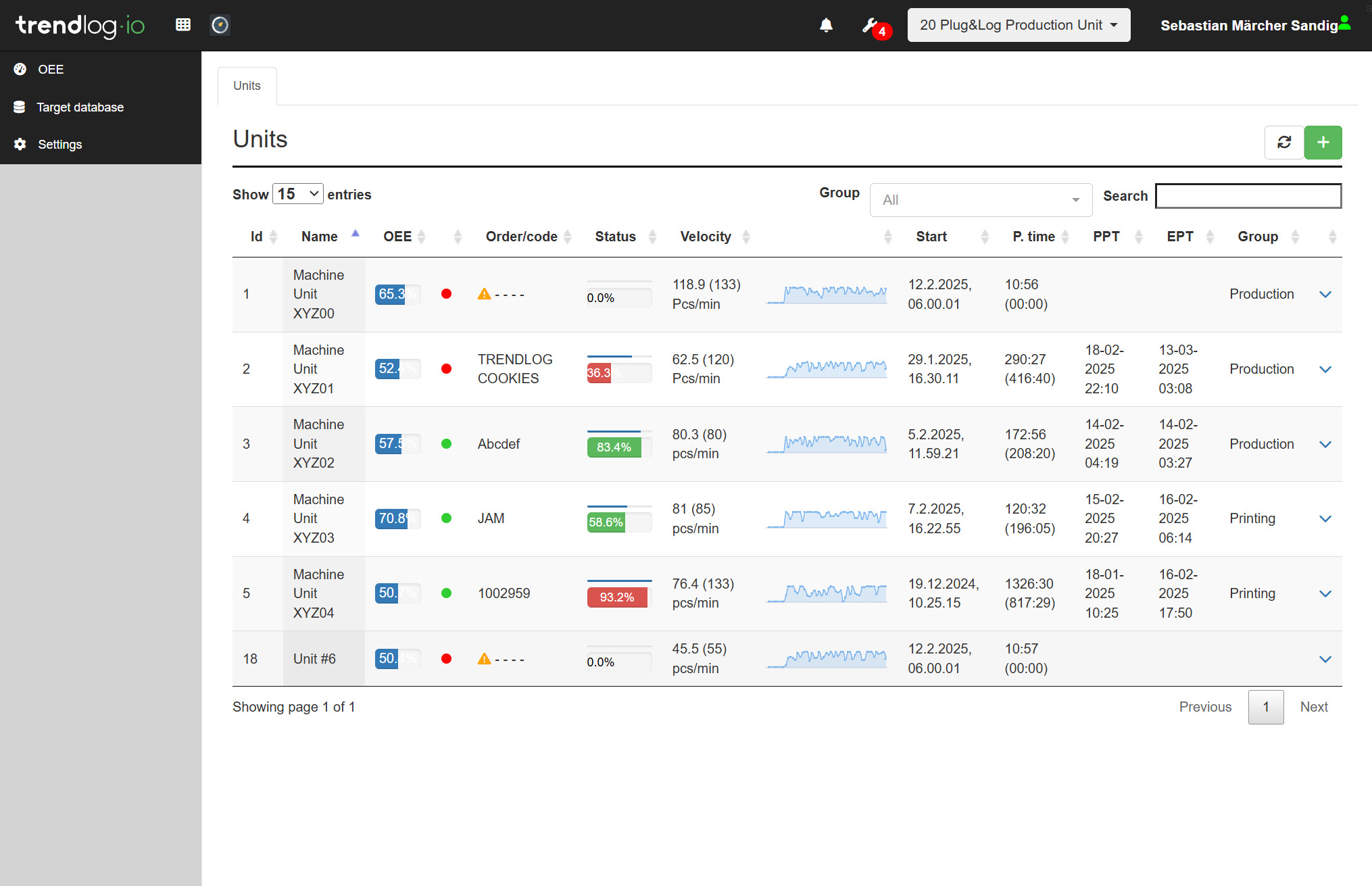
Without data, prioritizing maintenance is a guessing game—you end up choosing the machine that’s making the most noise, not necessarily the one that costs the most. TrendOEE shows you downtime causes and frequencies per machine and line over time, so you can take action where production losses are greatest. At the same time, it gives you the business case you need to present to management: when you can show that machine X costs a certain number of production hours per month, an investment in new equipment or additional resources suddenly becomes a rational calculation rather than a gut feeling.
Digital inspections and service checklists with traceability
TrendFORMS
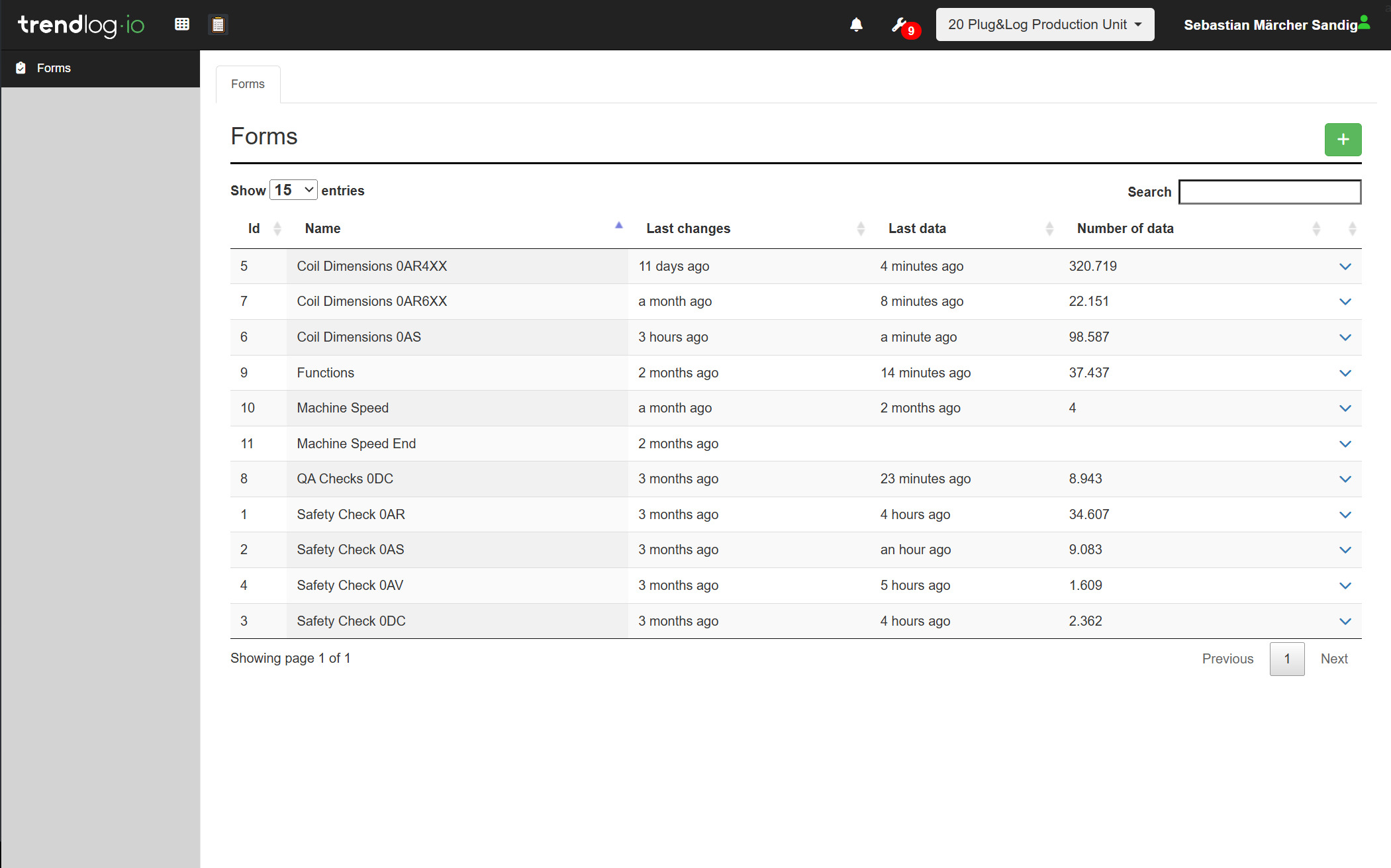
Paper-based inspection checklists, service inspections, and calibrations are a constant source of problems: they get lost, they’re illegible, and they’re difficult to document during audits. With TrendFORMS, the technician fills out the checklist on a tablet, and the data is automatically saved with a timestamp and name. You save time, improve data quality, and gain immediate access to historical records when you need to document preventive maintenance for certification bodies or during customer audits.
CALCULATE YOUR MAINTENANCE SAVINGS
What is reactive maintenance costing you today?
Unplanned downtime. Panic-buying spare parts. External service at double rates. And over-maintenance you didn’t even know you had. Try the calculator and get an indication of what better planning could be worth across your four largest cost drivers. No need to dig up numbers — simply select your industry, size, and how much downtime is bothering you. We estimate the rest based on industry benchmarks, giving you a solid foundation to evaluate whether it’s worth diving deeper.
What could better maintenance planning be worth for you?
3 quick taps — we'll show you an estimate based on industry benchmarks. No numbers to look up.
What industry are you in?
Selects your industry profile for the estimate.
How large is your production?
Pick the closest match — it's only used to scale the estimate.
How much do breakdowns disrupt you today?
Gut feeling is fine — it's only an estimate.
Better maintenance planning could be worth
Emergency callouts to external service typically cost double the hourly rate — plus travel time and out-of-hours surcharges. The hidden cost isn't the price of one call, but how many add up over a year.
Spare parts bought in panic cost 30–50% more than planned procurement, and delivery times can cost additional downtime. That markup rarely shows up as "loss" in the books.
Over-maintenance is only revealed when data from each machine shows which components are actually wearing. 10–20% of scheduled service can typically be postponed safely once you have the history.
Based on your choices, we've assumed a company like yours typically has:
This is an indicative estimate based on industry benchmarks — not a precise assessment. Actual savings depend on your starting point and how systematically MaintenancePLANNER is used. Book a live demo — we'll run the numbers with your actual data.
Get a precise assessment — book a demo →Documentation & Audit
Preventive maintenance as a documented practice
Certification bodies don’t just ask if you have a maintenance system—they want to see that it’s being used. IFS Food, BRCGS, and ISO 9001 all require documented preventive maintenance of equipment and infrastructure, and during an audit, you must be able to quickly present both plans and maintenance records.
With MaintenancePLANNER and TrendFORMS, you always have the documentation you need at your fingertips. Maintenance plans, work order history, service inspections, and calibration records are available digitally and can be viewed or exported directly. This significantly reduces audit preparation time and eliminates the need to ensure that the right person is on duty the day the auditor arrives.
For ISO 14001-certified companies, energy data from TrendENERGY can be integrated into the overall documentation system—for example, to document the impact of energy-optimizing maintenance efforts.
Frequently Asked Questions
What is the difference between reactive and preventive maintenance—and what does it cost to do it wrong?
Reactive maintenance is the most expensive type because it is dictated by the machine and always occurs at the worst possible time. Preventive maintenance is planned and carried out before anything goes wrong—and is consistently less expensive, even when you factor in the planning resources.
What are MTBF and MTTR, and how are they used in planning?
MTBF indicates how long it typically takes between failures on a machine; MTTR indicates how long it takes, on average, to resolve a failure. Both are key inputs for properly planning maintenance intervals and staffing levels.
Can MaintenancePLANNER be used on a phone or tablet on the shop floor?
Yes. MaintenancePLANNER is available in a browser and on mobile devices, so technicians can access work orders, log completed work, and fill out checklists right on the shop floor.
How do we use maintenance data to make the case for investments?
With documented data on downtime frequency, repair time, and resource consumption per machine, you can develop a concrete business case: What is the cost of the current operating pattern, and what impact would a new piece of equipment or a revised plan have?
Maintenance and Production — Same Data, Fewer Conflicts
The maintenance manager and the production manager are working toward the same goal—maximum uptime—but rarely have access to each other’s data. This leads to unnecessary discussions, misplaced priorities, and wasted time every time a production line comes to a standstill and no one can agree on why.
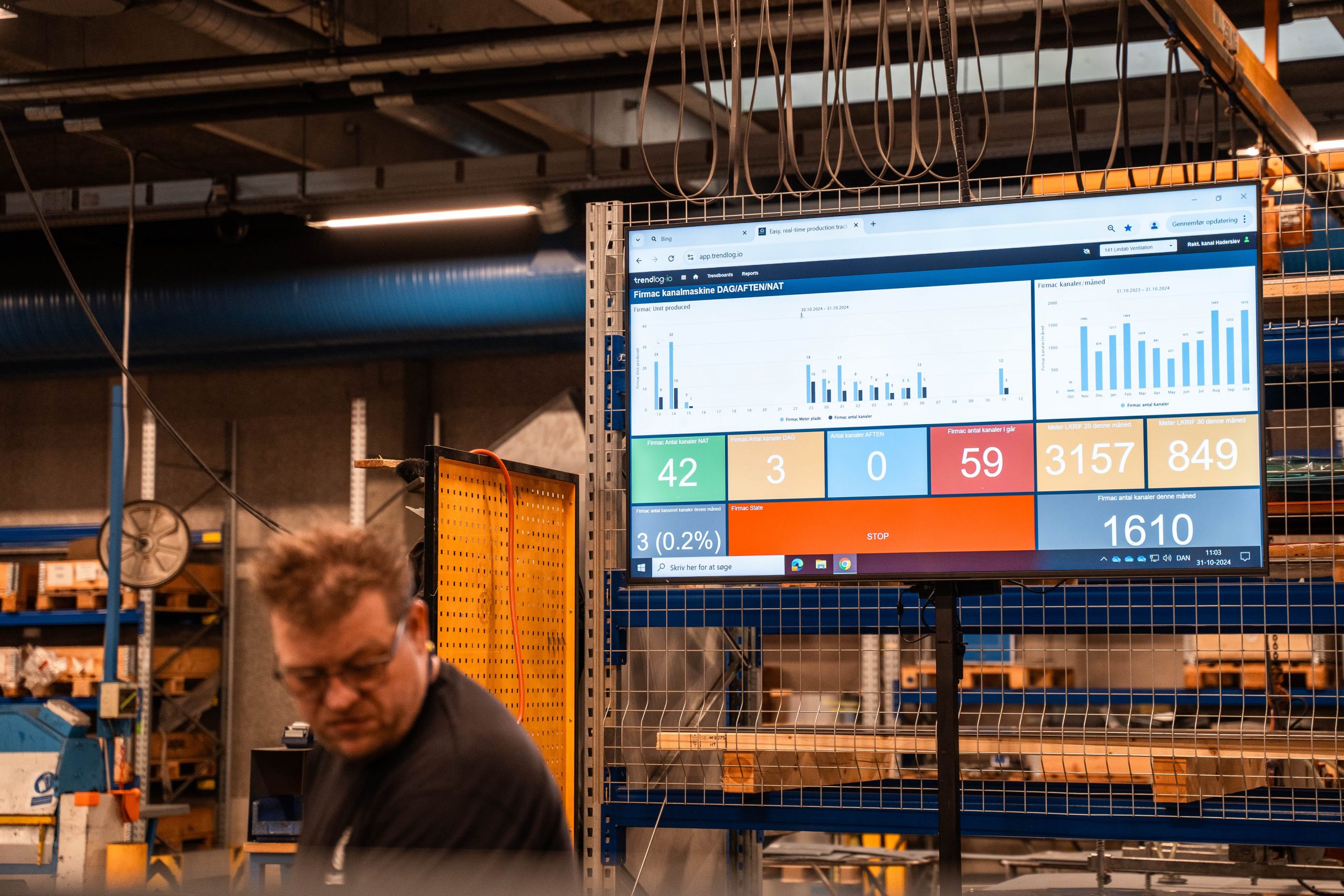
With Trendlog Production Suite on the same platform, maintenance data and production data are linked directly. The production manager can see whether downtime is due to a lack of maintenance. You can prioritize your efforts on the machines that actually cost the most in lost production hours. And both parties work from the same source of truth—so the discussion focuses on solutions, not on whose numbers are correct.
It eliminates one of the most common sources of conflict in a manufacturing company and replaces it with a common basis for decision-making.